These are tricky because of the chemicals that are used in everyday items to preserve our items can be extremely harmful to us if they are at the end of their life cycle. For example, pillows that we sleep on at night have a chemical on them that causes brain damage. This is just one example of something we use everyday that has hidden contaminants in it that can be extremely harmful to any of its users.

http://amritaretreat.com/wp-content/uploads/2015/10/Toxin-Graphic.jpg
"The goal of DFE is to design not just products but life cycles" (Robertson, 254).
What they mean by life cycles is the course that item will take until it is completely gone. Not just thrown away or recycled, but completely dissolved, or burned. So these products that they design have consequences, plastic materials release a harmful gas when burned, only certain plastics can be recycled, certain materials may be harmful further along in their life cycle, so once they are sitting in the sun long enough they may let off harmful gases and so on. Some materials have very long life cycles, for example glass, plastic, and styrofoam all have several years on their life cycles. where as paper may only be a few months. People do not realize how long their litter may be sitting in the environment, or just in a landfill if it is not recycled.
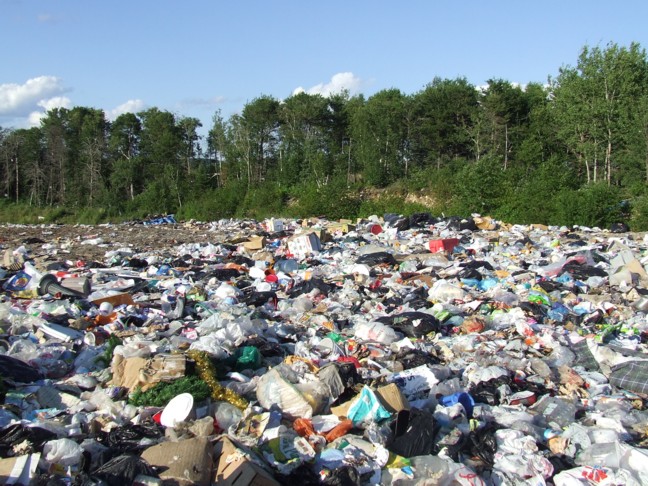
https://upload.wikimedia.org/wikipedia/commons/2/28/Landfill.jpg
"Everyday the average person in the U.S. throws away 4.6 pounds of solid waste, and for every pound of household waste we discard, 40 to 70 additional pounds of industrial debris were generated during its production" (Robertson, 268).
This statistic does not seem like much at first, but when you think about the process that one item goes through in its life cycle, its a lot more then you originally thought. So when items are first extracted from the wilderness to be produced into goods in a factory, they are shipped from where they were excavated to that factory. The shipping process takes packaging to make sure these resources aren't damaged, then inside the factory, there are materials that need to be used to process this item as well as equipment that needs to be worn by employees that gets thrown away. Then once it is done in the factory, it is packaged again and shipped to the store where it will then be picked up by the buyer, used and eventually thrown away, and the cycle starts all over with the next item that is bought.

https://cms.marketplace.org/sites/default/files/styles/primary-image-400x222/public/TRASH2.jpg?itok=Agn4MMOg
sources
Robertson, M. (2017). Sustainability principles and practice. London: Routledge, Taylor & Francis Group.
